Foundations serve as the critical interface between any structure and the ground beneath it, and in Barrie, Ontario, this relationship carries unique engineering significance. The category of foundations encompasses the design, installation, and remediation of structural support systems that transfer building loads to soil or rock strata. Given Barrie's position along the western shore of Lake Simcoe and its ongoing residential and commercial expansion, proper foundation engineering directly influences building longevity, safety, and compliance with municipal standards. From low-rise residential subdivisions in the south end to multi-storey mixed-use developments downtown, every project begins with a thorough understanding of subsurface conditions and the selection of an appropriate foundation type.
Barrie's glacial geology presents a complex landscape for foundation engineering. The city sits atop deposits from the Late Wisconsinan glaciation, resulting in heterogeneous soils that include glacial till, glaciolacustrine clays, and sand plains, particularly in areas near Kempenfelt Bay. The renowned Oro Moraine to the east and the Simcoe Uplands influence drainage patterns and soil composition across the region. These conditions often produce sensitive silty clays with low bearing capacity in low-lying areas, while upland zones may feature dense till with excellent load-bearing properties. Seasonal groundwater fluctuations and the presence of artesian conditions in certain pockets further complicate foundation design, making comprehensive geotechnical investigation indispensable before any construction begins.
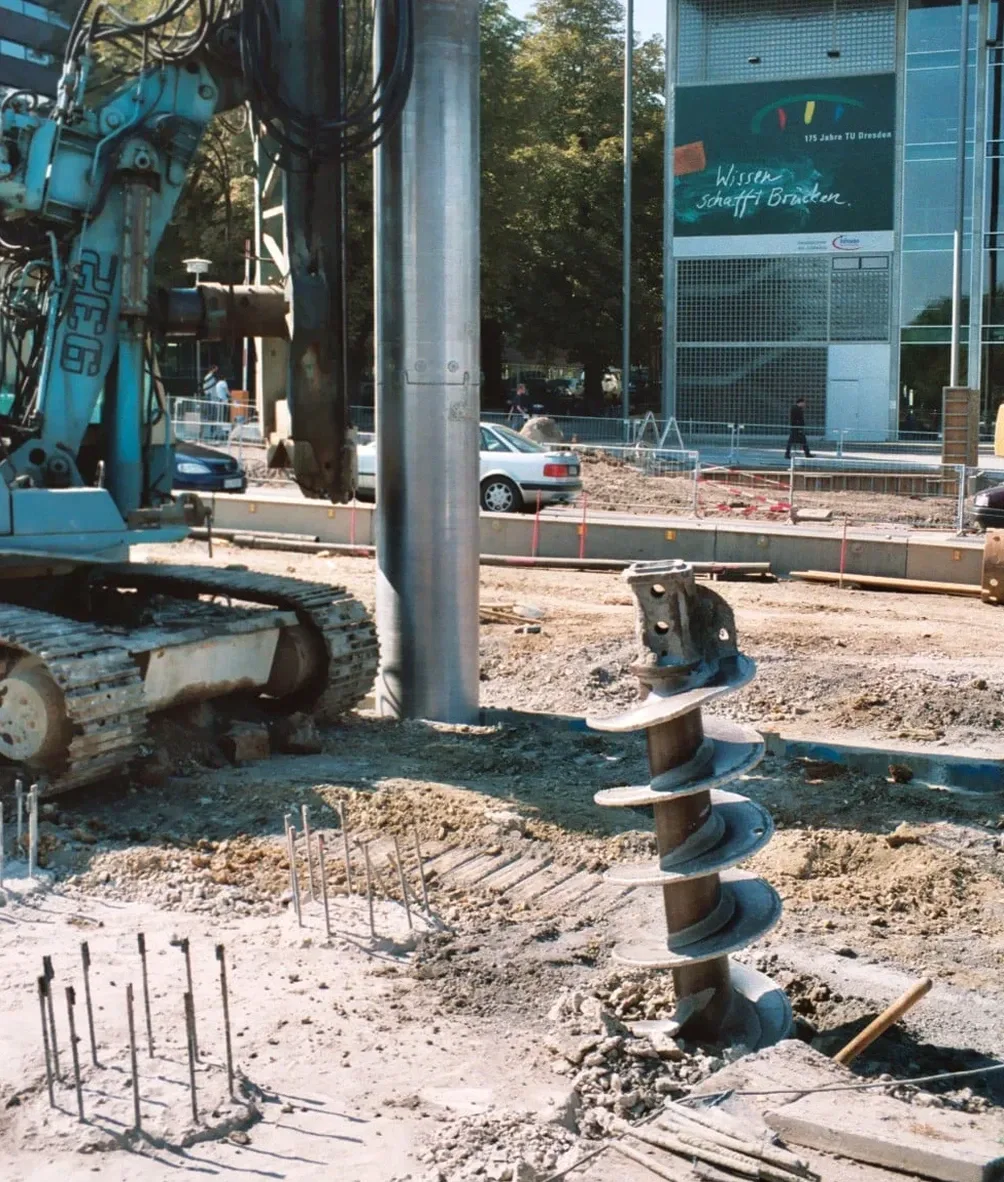
Foundation work in Barrie falls under the Ontario Building Code (OBC), specifically Part 4, which governs structural design, and must align with CAN/CSA standards for geotechnical site investigations. The City of Barrie's engineering department enforces additional requirements through site plan control and building permit processes, often mandating a geotechnical report stamped by a licensed Professional Engineer in Ontario. For deeper foundation systems, such as those involving pile foundation design, compliance with the Canadian Foundation Engineering Manual and relevant CSA A23.3 standards for concrete design is essential. Environmental considerations, including proximity to Lake Simcoe and its tributaries, may trigger conservation authority reviews under the Lake Simcoe Region Conservation Authority, adding another regulatory layer to foundation projects.
The types of projects requiring specialized foundation engineering in Barrie are diverse. Low-rise housing developments on the city's periphery frequently encounter compressible clay deposits that necessitate soil improvement or deep foundation alternatives to conventional footings. Commercial and institutional buildings in the downtown core, where space constraints and adjacent heritage structures exist, often require innovative shoring and underpinning solutions. Infrastructure projects, including the City's ongoing stormwater management upgrades and road widening along corridors like Mapleview Drive, rely on robust foundation systems for culverts, retaining walls, and bridge abutments. Even residential additions and deck constructions benefit from a geotechnical assessment to avoid differential settlement or frost heave issues that plague many Barrie homeowners.
Available services
Common questions
What are the most common foundation types used in Barrie construction projects?
In Barrie, shallow foundations such as strip footings and raft slabs are typical for residential builds on competent soils, while deep foundations like driven piles, helical piers, and drilled shafts are specified for poor soils, high groundwater, or heavier structural loads. The choice depends on geotechnical findings, with many projects near Lake Simcoe or in clay-rich zones requiring deep foundation solutions to achieve adequate bearing capacity and settlement control.
How do Barrie's soil conditions affect foundation design decisions?
Barrie’s glacial soils, including sensitive silty clays and loose sand deposits, can cause differential settlement, frost heave, and bearing capacity failures if not properly addressed. A thorough geotechnical investigation identifies these hazards and informs design parameters like footing width, reinforcement requirements, and drainage provisions. Ignoring local soil variability often leads to costly remedial work, especially in areas with fluctuating water tables near Kempenfelt Bay.
What permits and approvals are required for foundation work in Barrie?
Foundation work requires a building permit from the City of Barrie, which mandates submission of a geotechnical report and structural drawings sealed by an Ontario Professional Engineer. Depending on the site, additional approvals from the Lake Simcoe Region Conservation Authority or a site plan control application may apply. Compliance with the Ontario Building Code Part 4 and local zoning bylaws is mandatory throughout the process.
What factors influence the cost of a foundation project in Barrie?
Foundation costs vary based on soil conditions, foundation type, depth, access constraints, and regulatory requirements. Deep foundation systems like piles generally increase expenses due to specialized equipment and engineering, while shallow footings on competent soils are more economical. Unexpected groundwater, contaminated soils, or the need for shoring in tight urban sites can also significantly affect overall project budgets.